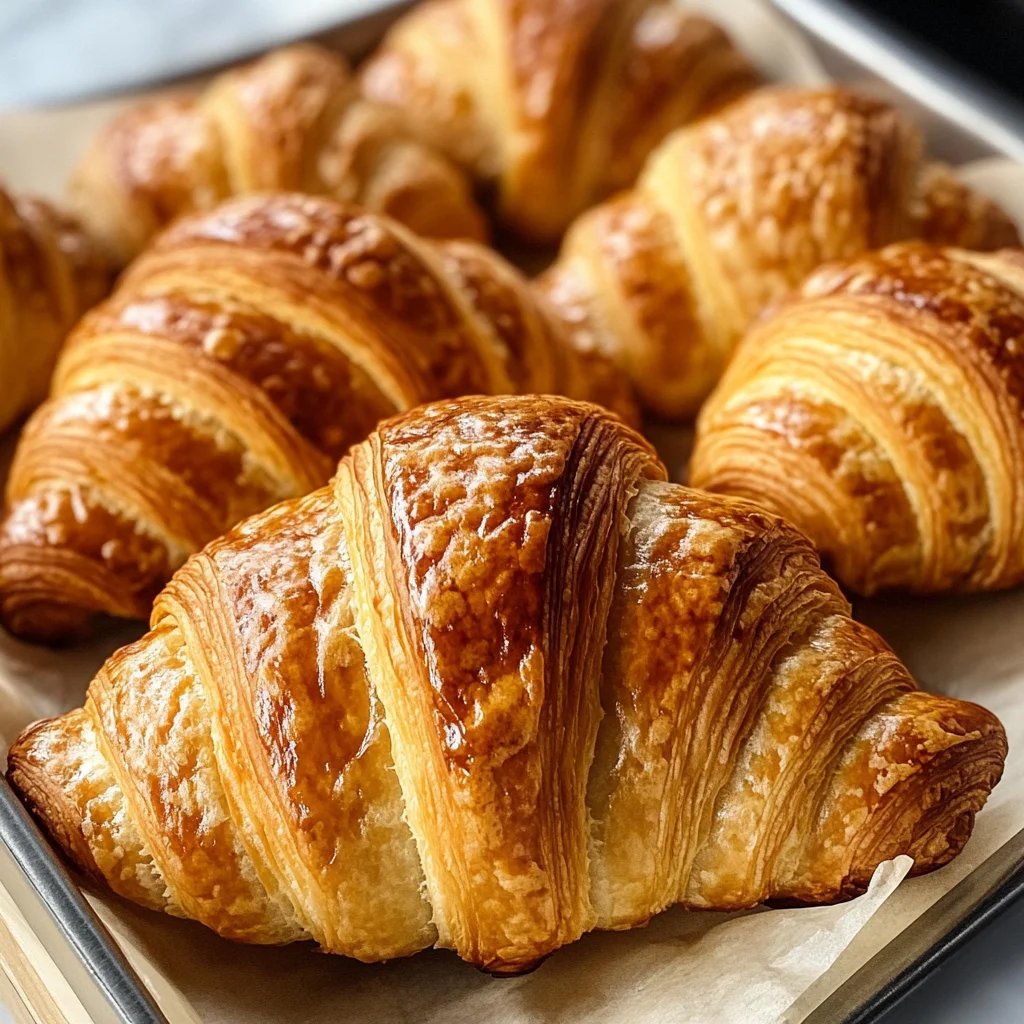
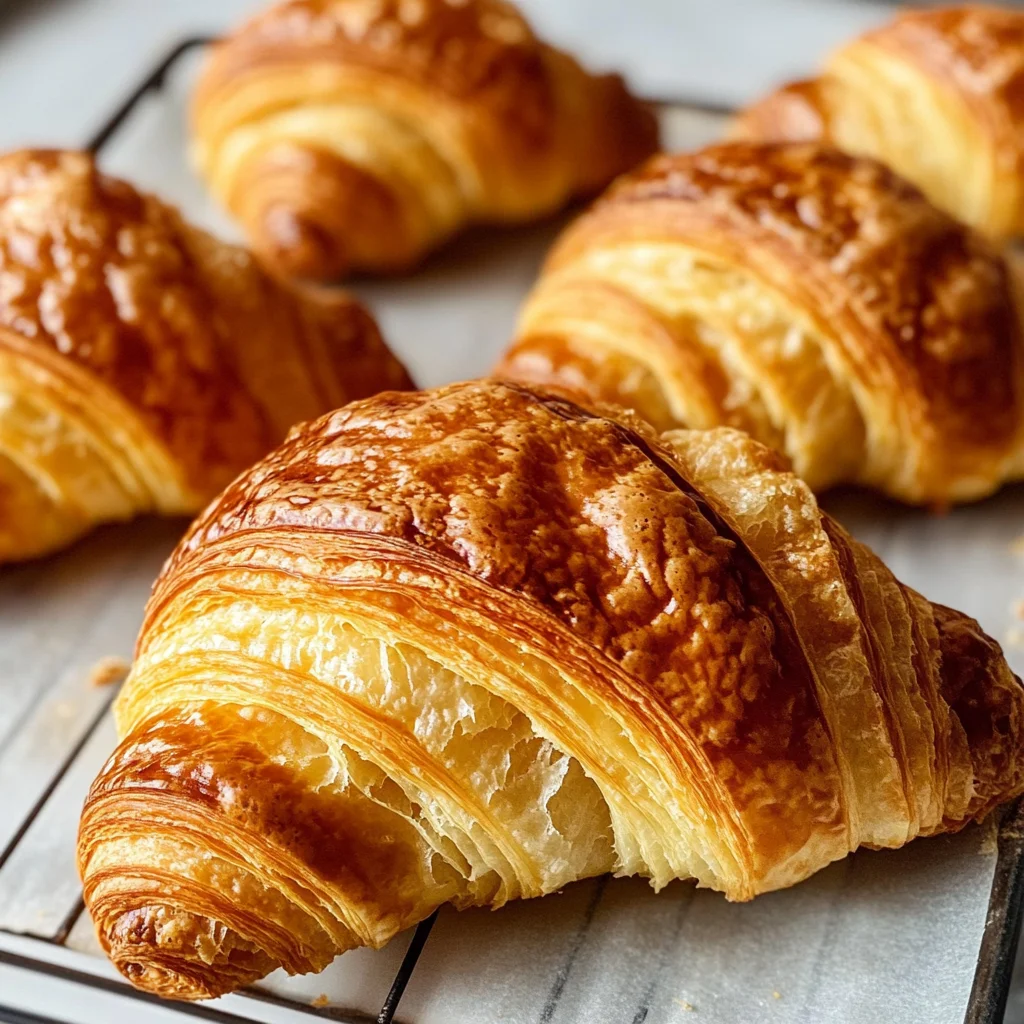
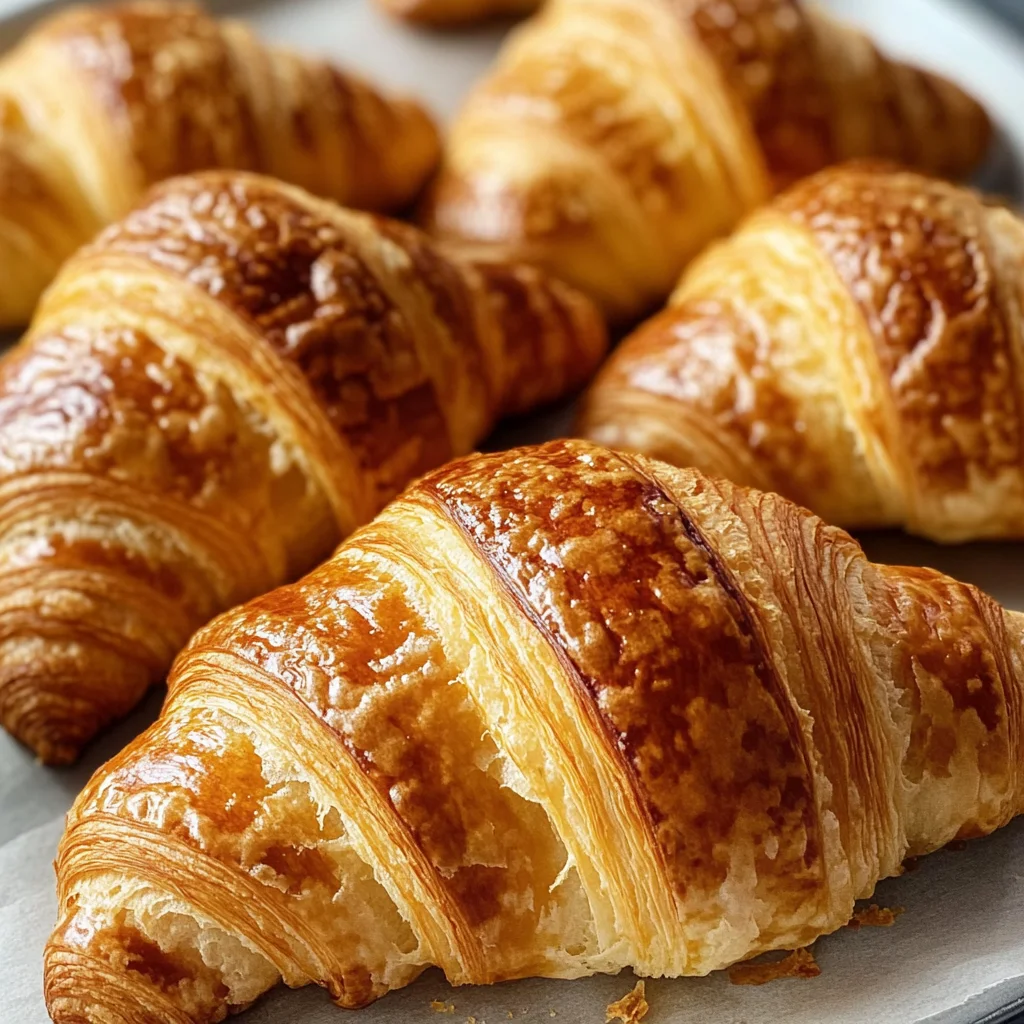
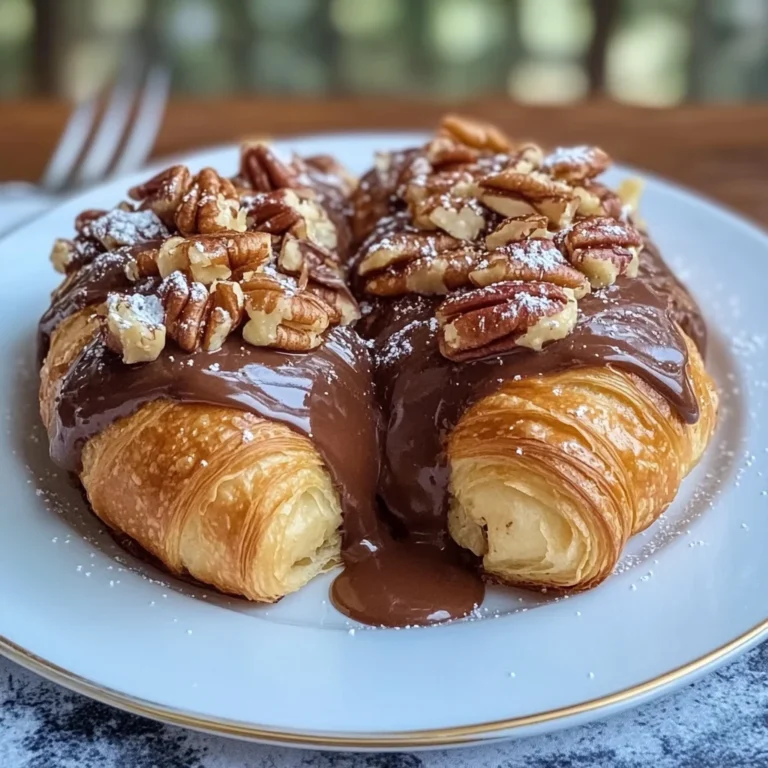
Experience the joy of enjoying Freshly Baked French Croissants from Paris Recipe, perfect for breakfast or as a delightful snack. These homemade croissants boast a flaky, buttery texture that will transport you straight to a Parisian café. The unique lamination technique creates mesmerizing layers, making them a showstopper for any occasion. Whether you’re hosting brunch or simply indulging in a treat, this recipe is sure to impress.
Why You’ll Love This Recipe
Authentic Flavor: Enjoy the taste of true French pastry with this easy-to-follow recipe.
Flaky Texture: Achieve light and airy layers that are characteristic of classic croissants.
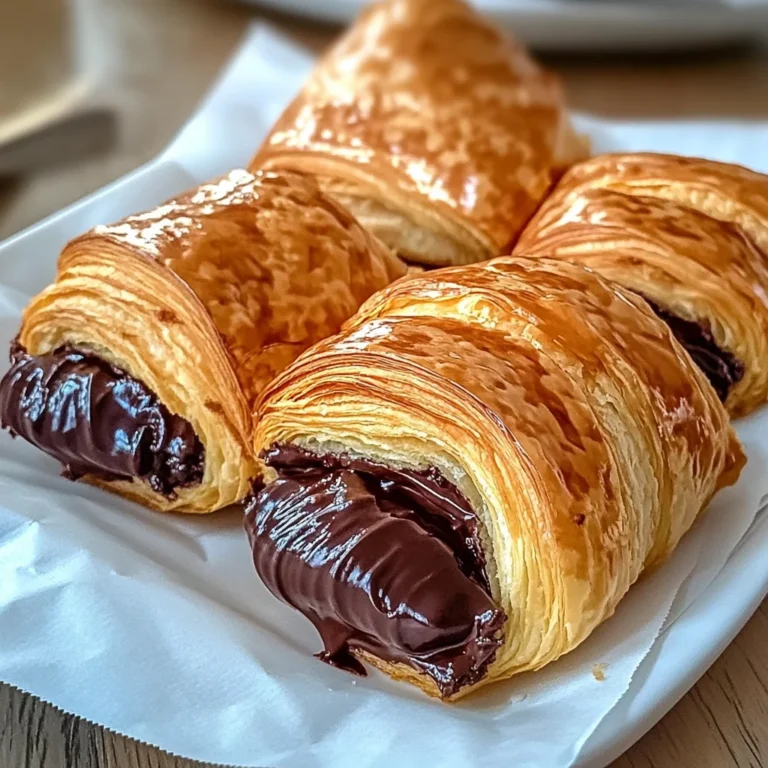
Customizable: Experiment by adding chocolate, almond paste, or jam for a personal touch.
Impressive Presentation: Perfect for special occasions, these croissants are as beautiful as they are delicious.
Baking Experience: Learn the art of lamination and dough handling in an enjoyable way.
Tools and Preparation
To successfully create your freshly baked croissants, you’ll need some essential tools. Having the right equipment makes the process smoother and more enjoyable.
Essential Tools and Equipment
Stand mixer
Rolling pin
Parchment paper
Plastic wrap
Baking sheets
Ruler
Importance of Each Tool
Stand mixer: Saves time and effort when mixing dough thoroughly for a smooth consistency.
Rolling pin: Essential for achieving the thin layers needed for proper lamination in the dough.
Parchment paper: Prevents sticking and ensures easy transfer of croissants to baking sheets.
Ingredients
Ingredients:
– 18 oz all-purpose flour (just over 4 cups)
– ¼ cup + 1 Tbsp granulated sugar
– 2½ tsp fine sea salt or table salt
– 1 Tbsp + ½ tsp instant yeast
– ½ cup + 2 Tbsp cold water
– ½ cup + 2 Tbsp cold whole milk
– 3 Tbsp unsalted butter, softened (European-style butter recommended)
– 1¼ cups cold unsalted butter (European-style butter only)
– 1 large egg
– 1 egg yolk
– Pinch of salt
How to Make Freshly Baked French Croissants from Paris Recipe
Step 1: Prepare the Dough
In the bowl of a stand mixer, whisk together flour, sugar, salt, and instant yeast. Add cold water, cold whole milk, and softened butter. Mix with the dough hook on speed 2 for about 3-4 minutes until a smooth dough ball forms. Cover with plastic wrap and let rise in a warm area (75-90°F) until nearly doubled in size, around 1½ to 2 hours. Transfer dough onto a plastic-wrapped cutting board, shape into a square measuring about 10½ inches, cover it again, and refrigerate for another hour or two.
Step 2: Prepare the Butter Block
Slice the cold butter into slabs about ½ inch thick. Arrange these slabs on parchment paper to form a square roughly measuring five inches. Cover with another sheet of parchment paper and flatten it into a larger square (7½ inches) using your rolling pin. Trim the edges if necessary and chill until fully firm.
Step 3: Encase Butter in Dough
Position the chilled butter on the dough diagonally so that its corners touch the midpoints of each side. Fold each corner of the dough over the butter to completely encase it while sealing the edges carefully.
Step 4: Roll Out Dough
On a floured surface, lightly flour the top of your dough. Use your rolling pin to elongate it before rolling into an rectangle measuring approximately eight by twenty-four inches. Keep edges straight while folding it into thirds like a letter; brush off any excess flour. Freeze this folded dough for about twenty minutes or refrigerate for one hour.
Step 5: Repeat Rolling Process
Repeat rolling out and folding the dough into an eight by twenty-four inch rectangle once more following the same method as before. Brush off any flour left on top afterwards. Cover again and either freeze for twenty minutes or refrigerate for one hour — at this stage, you can also refrigerate overnight if desired.
Step 6: Final Rolling Stage
Roll out your dough into an eight-inch wide by forty-four-inch long strip after removing it from refrigeration; lightly flour its top beforehand. Trim its length to forty inches after letting it contract slightly.
Step 7: Cut Triangles
Mark intervals along one edge every five inches creating seven marks total; stagger marks at two-and-a-half inches offset along opposite edge resulting in eight marks total at bottom edge. Use a pizza cutter to cut diagonal lines connecting alternate top and bottom marks creating fifteen triangles (reserve scraps for mini-croissants).
Step 8: Shape Croissants
Create a small slit at base of each triangle before gently stretching each one to about ten inches long then roll tightly starting from base up towards tip forming croissants. Place these on parchment-lined baking sheets spaced evenly apart.
Step 9: Proofing Process
Beat together one egg, one yolk, plus pinch of salt; brush mixture over croissants using a pastry brush afterwards allowing them to proof uncovered at room temperature (70-75°F) for one to two hours until noticeably puffed but not doubled in size.
Step 10: Bake Croissants
Brush croissants once more with remaining egg wash before transferring them into preheated oven set at425°F on both upper & lower racks baking them first for ten minutes then rotating pans & continuing bake time another eight-to-ten minutes until deep golden brown color appears; move them onto wire racks allowing cooling before serving!
How to Serve Freshly Baked French Croissants from Paris Recipe
Freshly baked French croissants are a delightful treat that can be enjoyed in various ways. Whether you’re serving them for breakfast, brunch, or as a snack, these flaky pastries are sure to impress.
With Jam and Butter
Spread your favorite fruit jam on a warm croissant for a sweet touch.
Add a pat of butter on top for extra richness.
Accompanied by Fresh Fruit
Serve with a side of mixed berries or sliced fruits for a refreshing contrast.
The natural sweetness of the fruit complements the buttery croissant perfectly.
As a Sandwich
Slice the croissant in half and fill it with turkey, cheese, and greens for a savory twist.
This makes for an elegant lunch option that’s both satisfying and delicious.
With Coffee or Tea
Pair your croissant with a cup of freshly brewed coffee or tea.
The warmth of the drink enhances the flaky texture of the pastry.
In a Breakfast Platter
Arrange croissants on a platter alongside yogurt, nuts, and honey.
This creates an inviting breakfast spread perfect for sharing.
How to Perfect Freshly Baked French Croissants from Paris Recipe
Achieving the perfect French croissant requires attention to detail and technique. Here are some tips to help you succeed.
Use high-quality ingredients: Opt for European-style butter and fresh flour to enhance flavor and texture.
Maintain cold temperatures: Keeping your dough and butter cold during lamination is crucial for achieving flaky layers.
Be patient with proofing: Allow your croissants to proof adequately before baking. This ensures they rise and develop flavor.
Rotate during baking: For even browning, rotate your baking sheets halfway through the baking time.
Store properly: If you have leftovers, store them in an airtight container at room temperature to maintain their flakiness.
Best Side Dishes for Freshly Baked French Croissants from Paris Recipe
Croissants pair wonderfully with a variety of side dishes that enhance their taste. Here are some great options to consider:
Fruit Salad: A medley of seasonal fruits adds freshness and balances the richness of croissants.
Scrambled Eggs: Creamy scrambled eggs provide protein that complements the flakiness of the pastry beautifully.
Cheese Platter: Serve with an assortment of cheeses like Brie or Camembert; their creamy textures pair well with croissants.
Vegetable Quiche: A slice of quiche adds savory flavors that make for a hearty meal alongside croissants.
Yogurt Parfait: Layer yogurt with granola and fruits for a nutritious option that’s also visually appealing.
Smoked Salmon Salad: Lightly dressed greens topped with smoked salmon offer elegance that elevates any brunch table.
Common Mistakes to Avoid
Making croissants can be tricky, but avoiding common mistakes ensures your freshly baked French croissants turn out perfect every time.
Not measuring ingredients accurately: Precision is key in baking. Use a kitchen scale for flour and sugar to ensure the right dough consistency.
Skipping the resting time: Allowing dough to rest is crucial for gluten development. Don’t rush this process; it enhances texture and flavor.
Using warm butter: Cold butter is essential for flakiness. Ensure your butter is chilled before incorporating it into the dough to create those signature layers.
Over-proofing the croissants: Proofing too long can lead to dough collapse. Monitor your croissants closely; they should puff up but not double in size.
Failing to preheat the oven properly: An adequately preheated oven ensures even baking and helps achieve a crispy exterior. Always preheat at least 20 minutes before baking.
Storage & Reheating Instructions
Refrigerator Storage
Store croissants in an airtight container.
They will last for up to 3 days in the refrigerator.
Freezing Freshly Baked French Croissants from Paris Recipe
Wrap each croissant individually in plastic wrap.
Place wrapped croissants in a freezer-safe bag or container; they can be frozen for up to 2 months.
Reheating Freshly Baked French Croissants from Paris Recipe
Oven: Preheat to 350°F (175°C) and bake for about 10 minutes until warm and crisp.
Microwave: Heat on medium power for about 15-20 seconds, but note that this may make them soft rather than crispy.
Stovetop: Warm in a non-stick pan over low heat for a few minutes, flipping occasionally for even warming.
Frequently Asked Questions
Here are some common questions about making freshly baked French croissants from Paris.
Can I use whole wheat flour instead of all-purpose flour?
While you can replace some all-purpose flour with whole wheat, it may affect texture. Stick with all-purpose flour for best results.
How long does it take to make freshly baked French croissants from Paris recipe?
The total time is around 16 hours and 20 minutes, including rising and resting times, but active preparation takes about an hour.
What can I do if my dough isn’t rising?
Ensure your yeast is fresh and that you’re proofing in a warm location (75-90°F). If conditions are too cold, the yeast may not activate properly.
Can I customize my freshly baked French croissants?
Absolutely! You can add fillings like chocolate, almond paste, or cheese before rolling them up for unique flavors.
Final Thoughts
This freshly baked French croissant recipe offers a delightful blend of buttery layers and flaky goodness that will impress any breakfast table. Experiment with fillings or toppings to make them your own! Give this recipe a try, and enjoy the taste of Paris from your kitchen!
Experience the exquisite delight of freshly baked French croissants right in your kitchen! This homemade croissant recipe captures the flaky, buttery texture that defines classic Parisian pastries. With a unique lamination technique, these croissants feature mesmerizing layers that will impress at any brunch or breakfast gathering. Customize them with your favorite fillings like chocolate or almond paste for an added twist. Perfect for indulging yourself or sharing with friends, these golden treats are sure to transport you to a charming café in Paris.
Ingredients
Scale
18 oz all-purpose flour (just over 4 cups)
¼ cup + 1 Tbsp granulated sugar
2½ tsp fine sea salt
1 Tbsp + ½ tsp instant yeast
½ cup + 2 Tbsp cold water
½ cup + 2 Tbsp cold whole milk
3 Tbsp unsalted butter, softened
1¼ cups cold unsalted butter
1 large egg
1 egg yolk
Pinch of salt
Instructions
In a stand mixer bowl, whisk together flour, sugar, salt, and instant yeast. Add cold water, cold milk, and softened butter; mix until a smooth dough forms. Cover and let rise until nearly doubled (about 1½ to 2 hours).
Shape the dough into a square and refrigerate for another hour or two.
Prepare the butter block by slicing cold butter into slabs and flattening it between parchment paper into a square.
Encase the butter in the dough and roll it out into a rectangle. Fold and chill multiple times to create layers.
Cut triangles from the rolled dough and shape them into croissants.
Proof at room temperature until puffed (1 to 2 hours).
Bake in a preheated oven at 425°F until golden brown.
Prep Time:90 minutes
Cook Time:20 minutes
Category:Breakfast
Method:Baking
Cuisine:French
Nutrition
Serving Size:1 croissant (70g)
Calories:250
Sugar:5g
Sodium:210mg
Fat:14g
Saturated Fat:8g
Unsaturated Fat:5g
Trans Fat:0g
Carbohydrates:28g
Fiber:1g
Protein:5g
Cholesterol:30mg
Keywords: Use European-style butter for optimal flavor. Experiment with different fillings to personalize your croissants. Be patient during proofing for best results.